

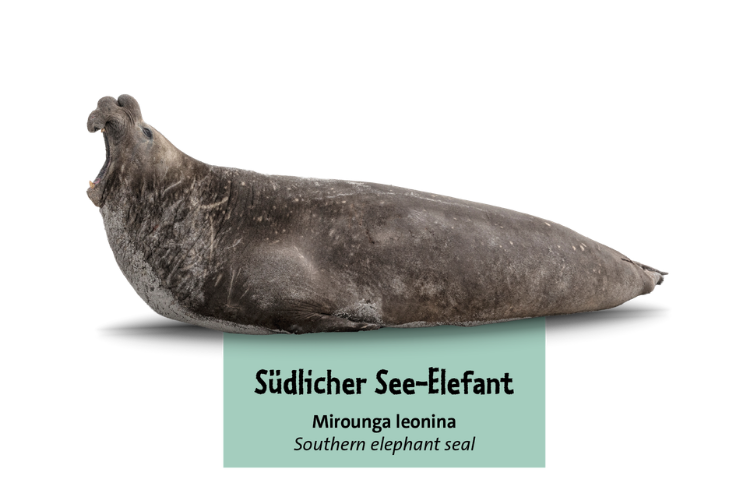
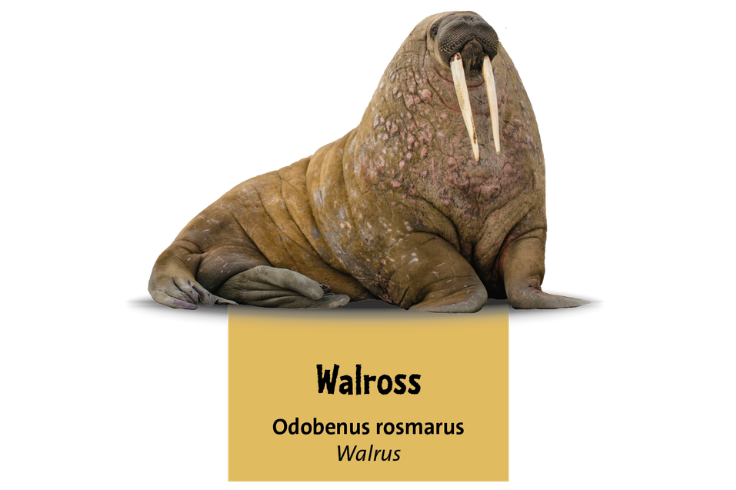
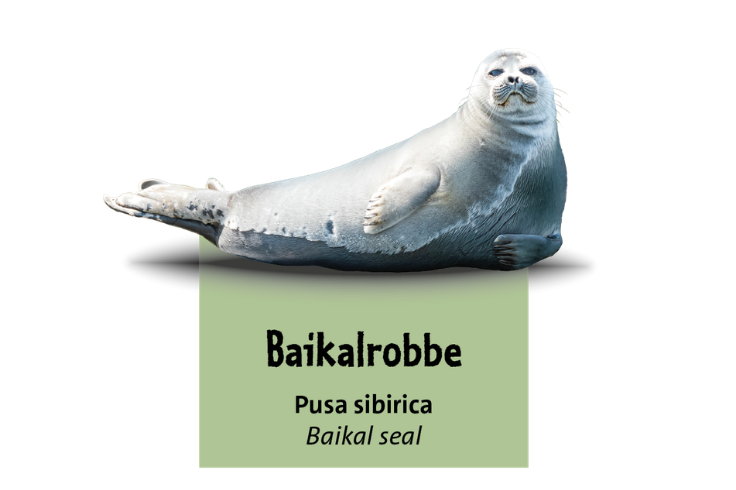
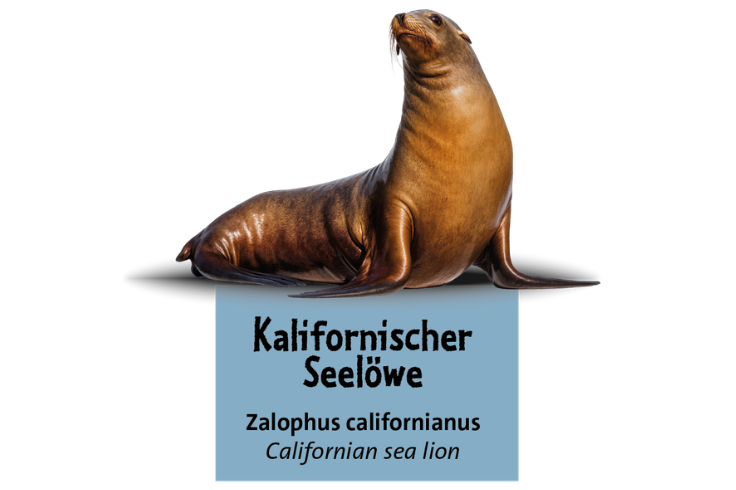
Seals live almost everywhere in the world – from the icy waters of the Arctic and Antarctic to the warm coasts of Africa and South America. There are even seals in freshwater lakes – such as the Baikal seal in Lake Baikal (Russia). Some species tend to be solitary, whilst others live in large colonies. They come ashore or onto sea ice to rest and give birth. There are over 30 different species of seal around the world. Some of them are pictured here.
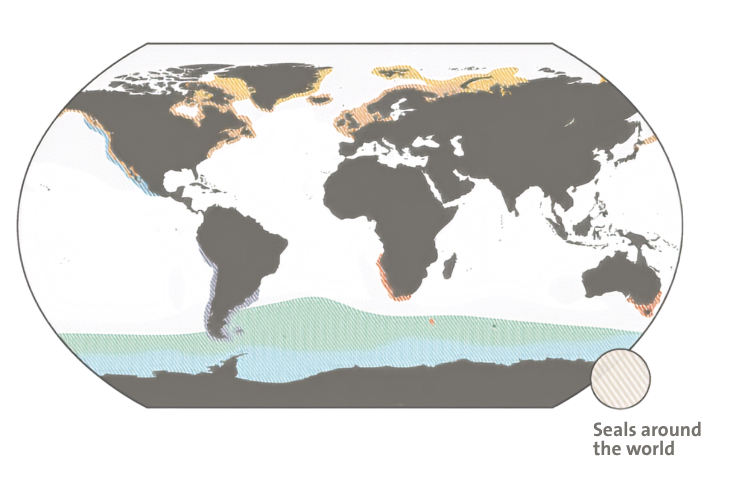
Slide through the species of seal
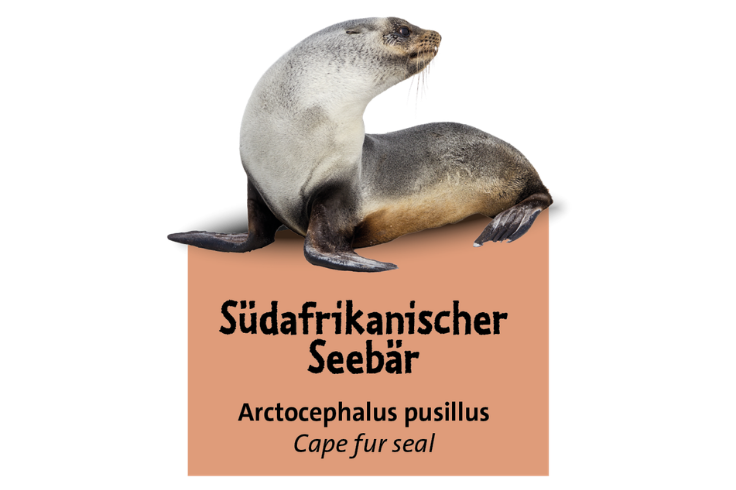
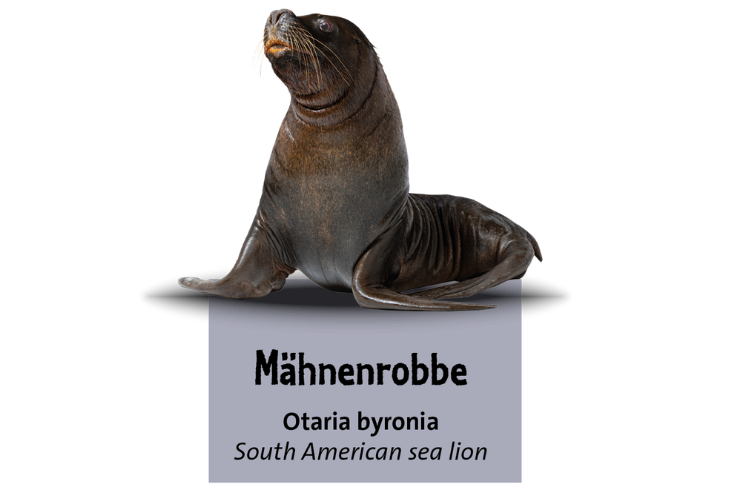
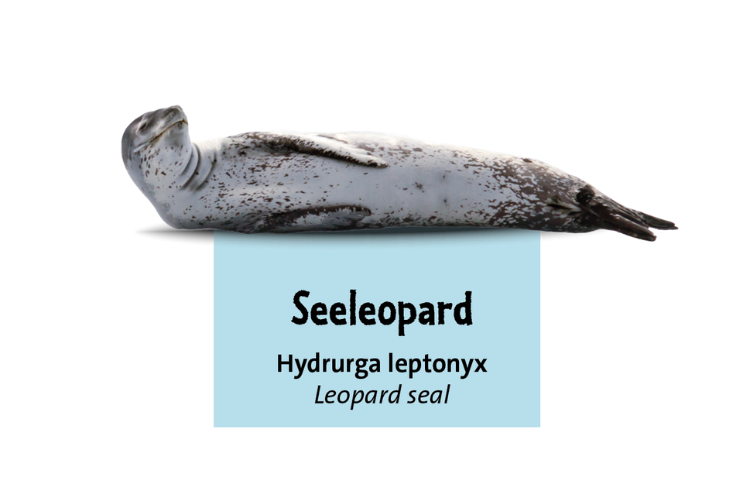
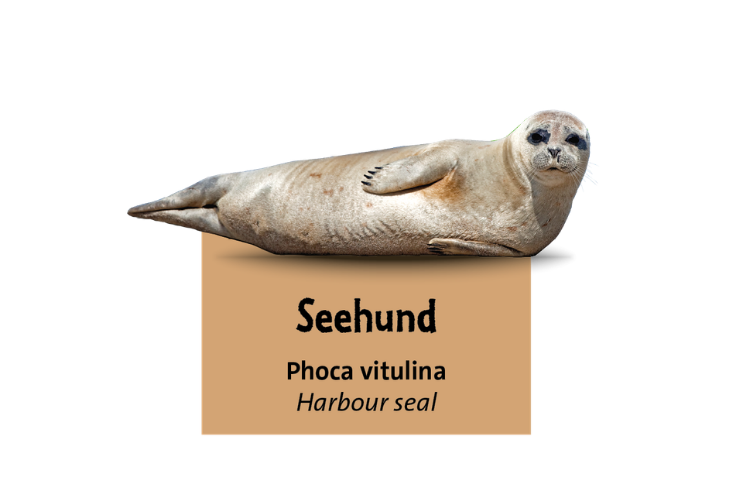
Only three families – but so many differences
Seals are divided into three families, classified mainly by their ears and the way they move on land and in the water. But there is so much more to them:
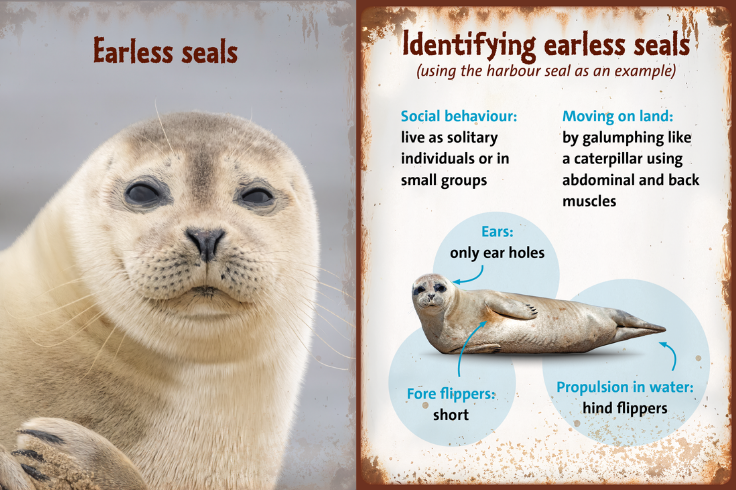
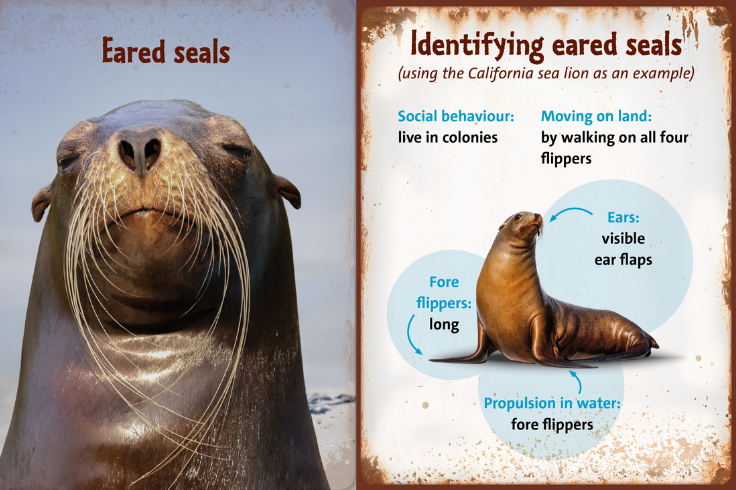
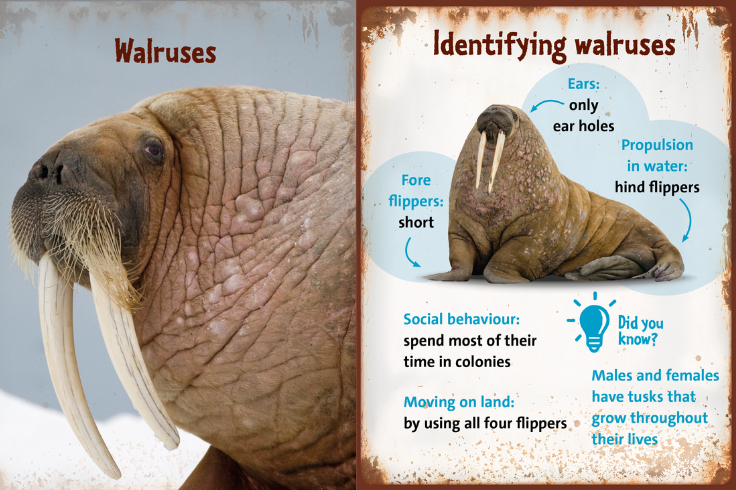
Seals in the North Sea and the Baltic Sea
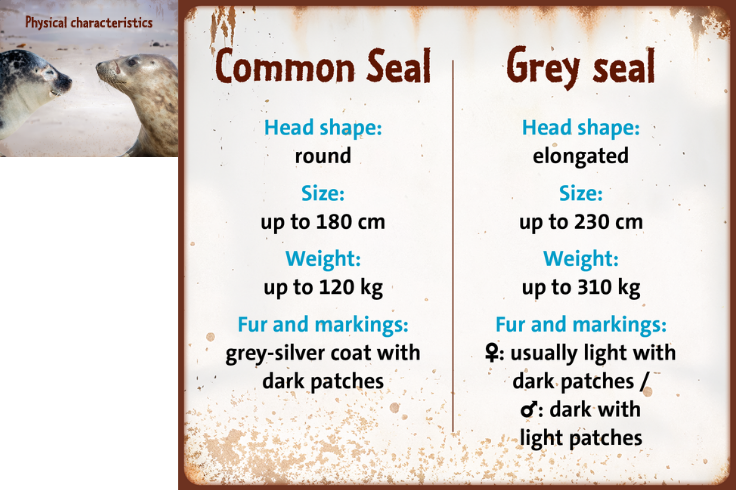
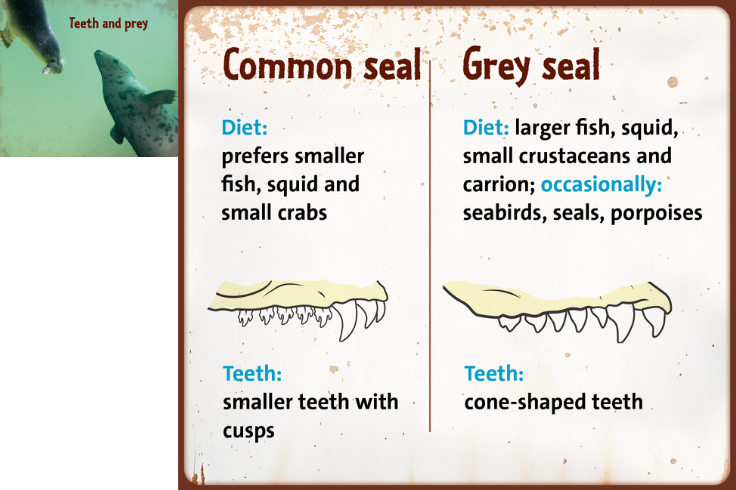
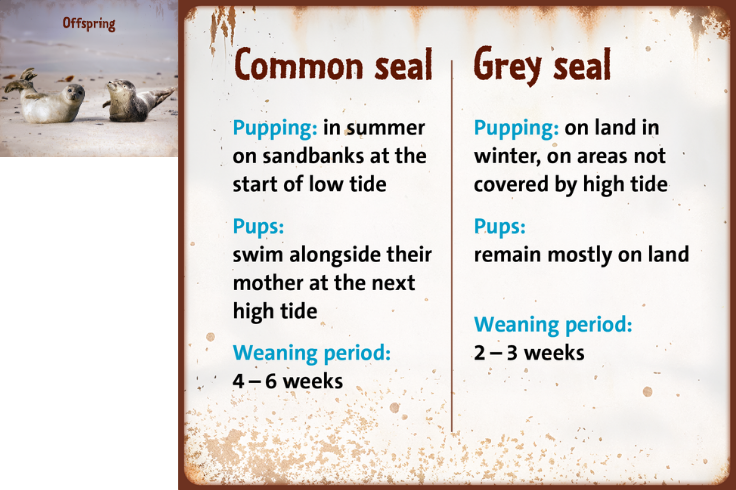
Two seal species live along Germany’s coasts. The common seal is mainly found in the North Sea, whilst the grey seal is also found in the Baltic Sea. With a bit of luck, they can be spotted on sandbanks or on quiet beaches.
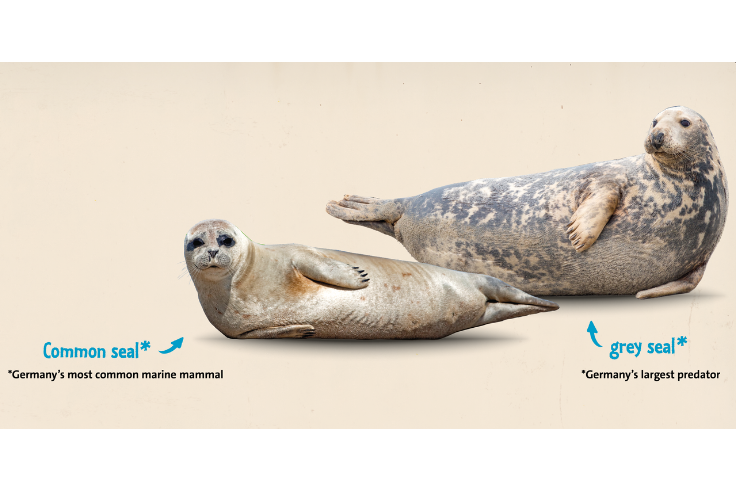
Common seal or grey seal?
Here you can find out which characteristics to look out for.